· By Ada Pell · 1 min read
What a feasibility study tells you
Before you buy a plot or commit to an extension: what we look at in a feasibility study, what it costs, and the three answers it can give.
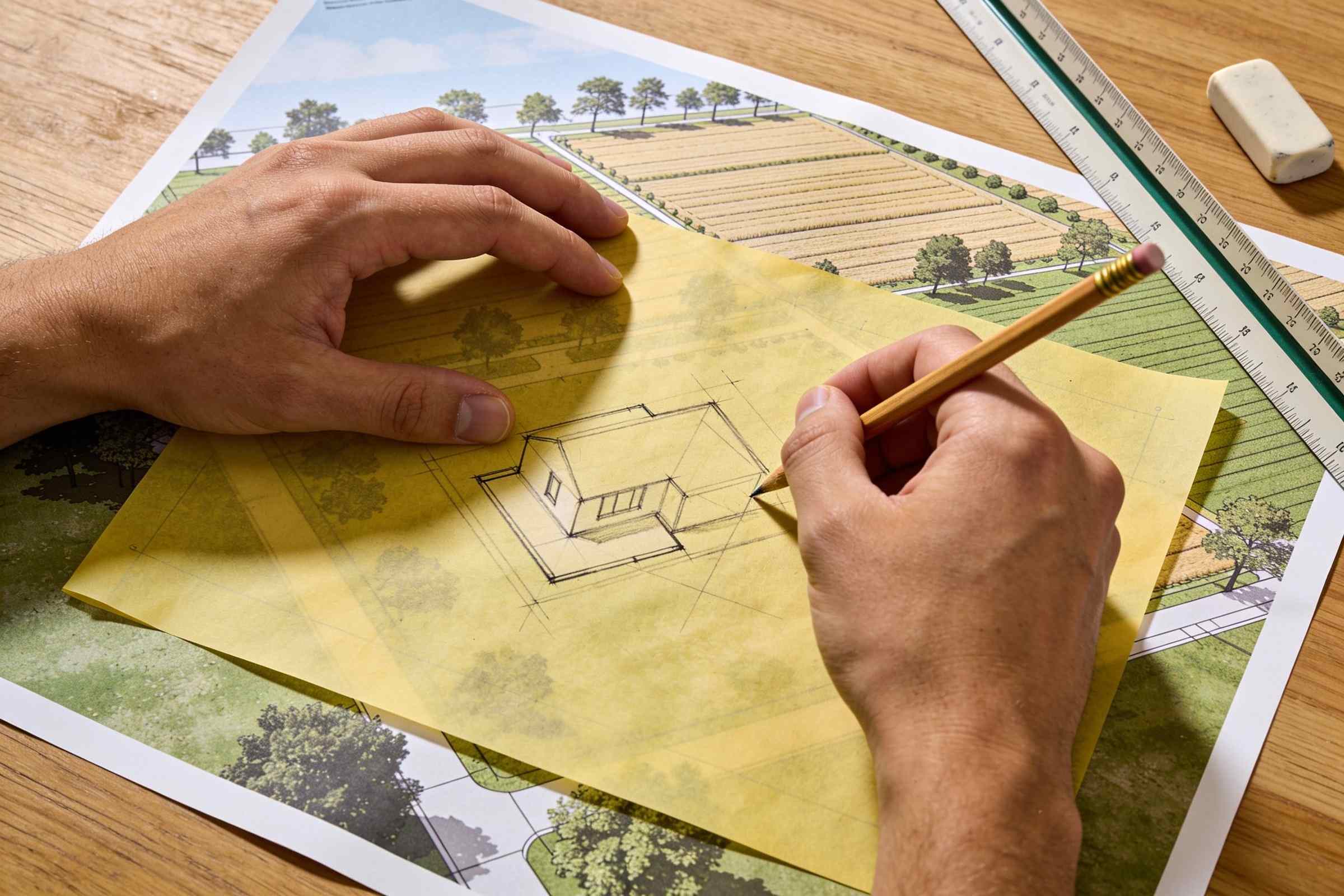
Most projects that go wrong do so in the first month, long before anyone draws a wall: a plot bought with a covenant nobody read, an extension planned over a sewer, a budget that was never going to stretch to the brief.
A feasibility study is our way of finding those things out early, for a fixed fee.
What we look at
- The site: boundaries, levels, trees, access, drainage, services and the ground (from the geological maps; a proper survey comes later).
- The planning context: the site’s history, the local plan, conservation areas, listed neighbours, flood maps.
- The brief against the budget: what you’d like, what it would cost to build here, and where they don’t meet.
- Two or three options as quick sketches, with rough areas and costs.
The three answers
It’s a good idea, here’s how. It’s a good idea, but not quite as you imagined it. Or, occasionally, it isn’t a good idea, and you’ve spent £650 rather than £65,000 finding out.
All three are worth having. You can book one on the process page.