· By Mira Osei · 1 min read
Permitted development or planning permission?
Which extensions you can build without a planning application, why a lawful development certificate is still worth having, and when it's better to apply anyway.
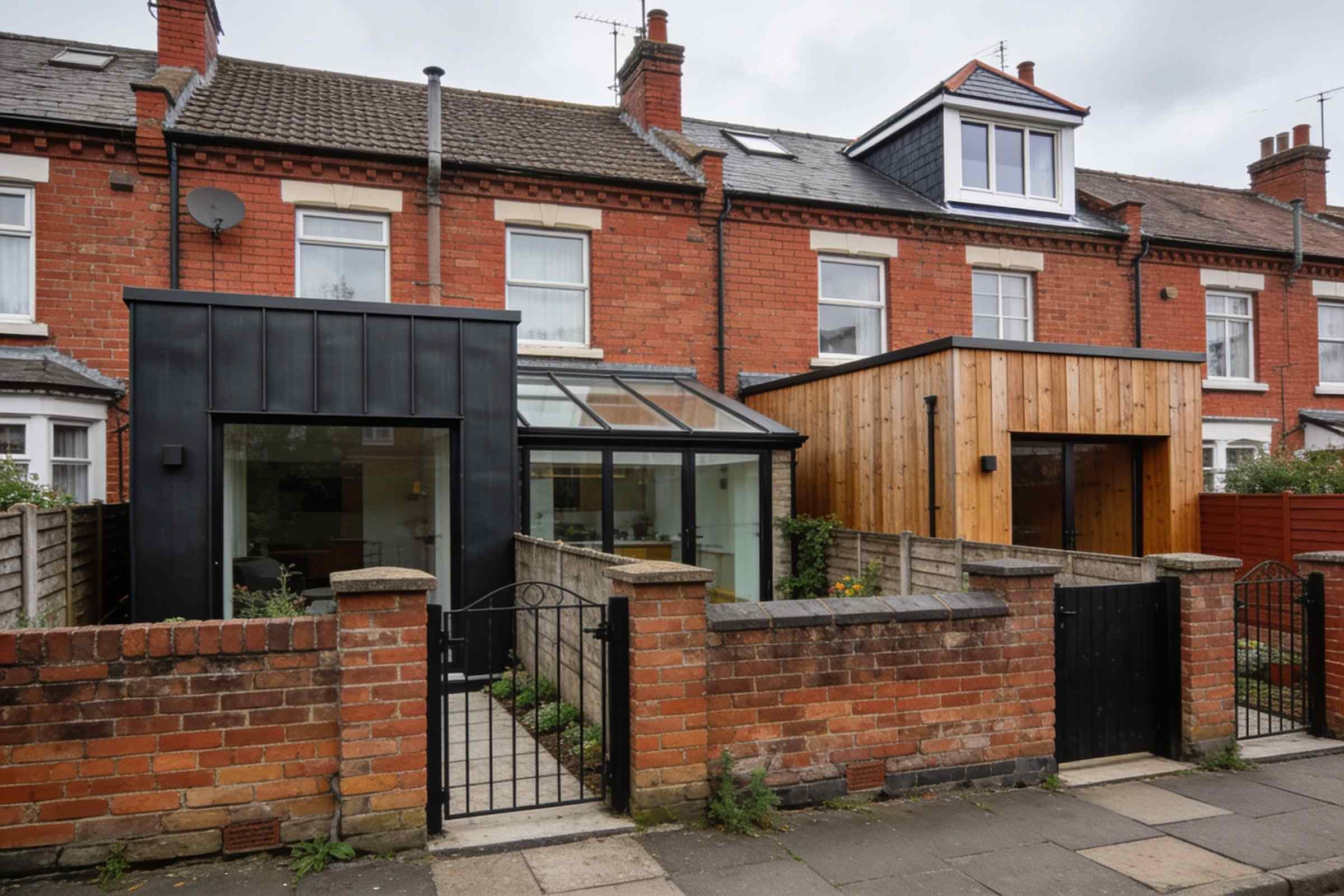
“Do I need planning permission?” is the question we’re asked most, and the honest answer is: it depends on the house, the street and what you’ve already built.
What permitted development allows
Many houses can add a single-storey rear extension, a loft dormer at the back or a porch without a planning application, within limits on height, depth and materials. Flats, maisonettes and houses in conservation areas have far fewer rights, and some estates had them removed when they were built.
Why a certificate is still worth it
Permitted development means you don’t need permission, not that anyone has agreed you don’t. A lawful development certificate from the council puts it in writing: it costs about half a planning application and saves awkward questions when you sell.
When to apply anyway
If the extension is right on a limit, or the neighbours are likely to object, a full application can be the calmer route: the design gets a proper hearing and the decision is final.